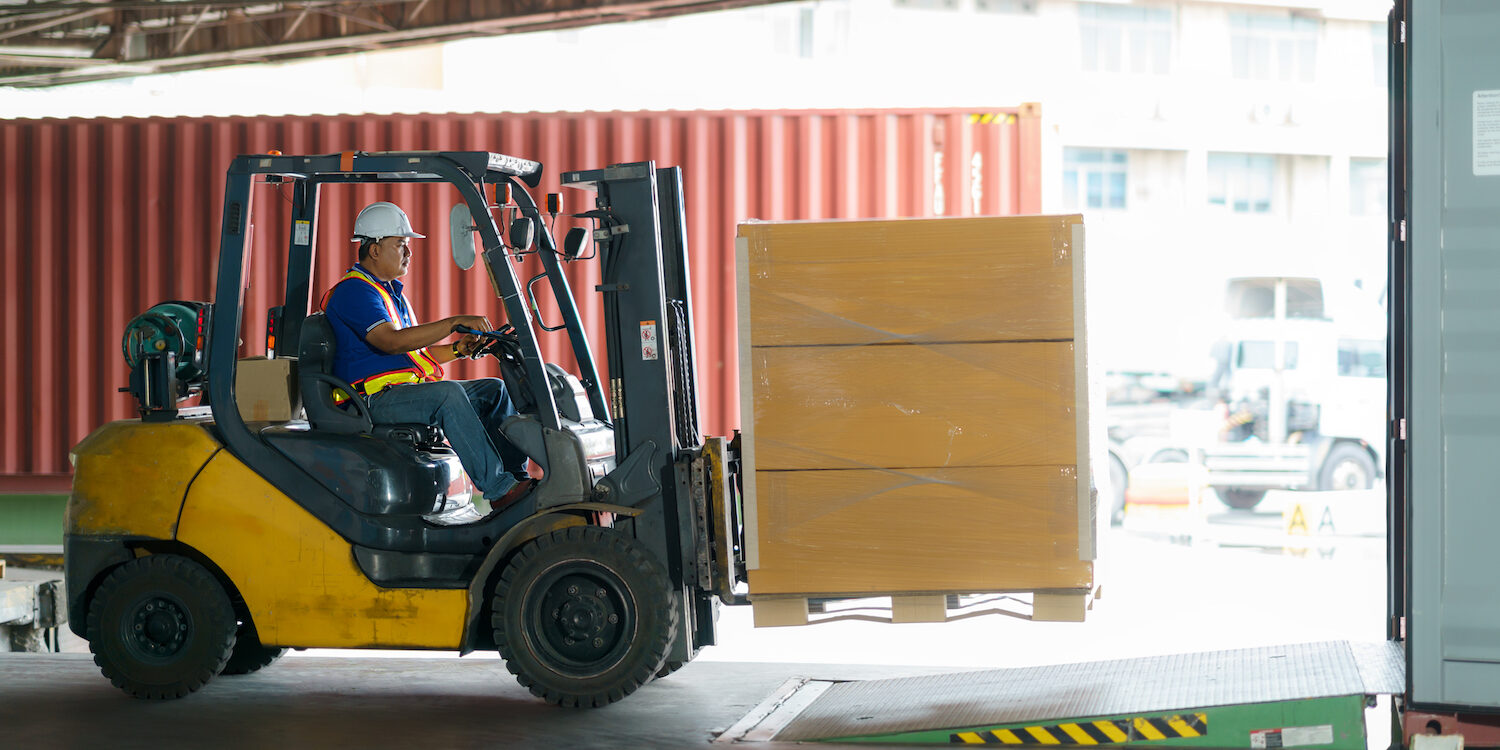
If you manage a warehouse, you probably know the hassle of waiting for electric forklifts to charge or dealing with diesel emissions. Propane forklifts offer a budget-friendly option that helps keep your team productive and reduces downtime.
ALL-GAS supplies commercial propane to warehouses and distribution centers across Connecticut, Massachusetts, and Rhode Island. Here’s why more operations are switching—and why yours might benefit, too.
The Real Cost of Downtime
Before looking at the benefits of propane forklifts, it helps to understand the problem they address. In busy warehouses, equipment downtime leads to lost productivity, missed shipping deadlines, and unhappy workers. Electric forklifts are common, but they need long charging times (often 8 hours of charging for 8 hours of use), plus a cool-down period. This requires managing many batteries, planning around shifts, and investing in special charging stations.
Meanwhile, diesel forklifts avoid downtime but bring other issues, like exhaust that makes them unsuitable indoors without strong ventilation, and fuel prices that can change quickly. Propane offers a middle ground with quick refueling, dependable indoor use, and steady operating costs.
Why Propane Forklifts Stand Out
-
Near-Zero Downtime
One of the biggest advantages of propane forklifts is how quickly they get back to work. Swapping an empty propane cylinder for a full one takes just a few minutes. With propane, there is no waiting for a battery to charge, no managing a rotation of multiple battery packs. This makes propane forklifts ideal for operations running multiple shifts, where keeping equipment continuously in service is non-negotiable.
-
Consistent Power Output
Electric forklifts lose power as their batteries drain, which can affect lift capacity and speed toward the end of a shift. Propane forklifts deliver consistent horsepower from full tank to empty, so operators get the same reliable performance throughout the entire workday. That consistency matters when your team is moving heavy pallets under time pressure.
-
Safe for Indoor Use
Unlike diesel, propane burns cleanly and produces significantly lower emissions. According to the Propane Education & Research Council, propane forklifts meet EPA emission standards and are approved for indoor use in warehouses and distribution centers. For facilities managing food, pharmaceuticals, or other sensitive goods, the clean-burning nature of propane is especially important for maintaining air quality and regulatory compliance.
-
Lower Total Operating Costs
When you factor in the full picture (i.e., fuel costs, maintenance, battery replacement, and charging infrastructure) propane often comes out ahead financially. Additionally, propane forklifts have fewer electrical components to maintain than their battery-powered counterparts, which can reduce maintenance expenses over time. Plus, cylinder costs are predictable and straightforward, making budgeting easier for operations teams. With reliable commercial propane delivery from a trusted local supplier, you’re never scrambling to keep your fleet fueled.
-
Durability in Demanding Environments
Warehouses aren’t always climate-controlled, and propane forklifts handle temperature swings better than electric models, which can see reduced battery performance in cold storage or outdoor staging areas. Fortunately, propane engines are built to perform reliably in tough conditions, making them a strong fit for operations that move between indoor and outdoor spaces or maintain cold-chain storage areas.
-
Easier Fleet Management
Managing a propane forklift fleet is simpler than managing a battery-powered one. Rather than tracking charge cycles, battery health, and charging station availability, facility managers simply monitor cylinder levels and schedule routine deliveries. A good commercial propane partner will work with you to establish a delivery cadence that ensures you always have full cylinders on hand, reducing the logistics burden on your team.
Making the Transition to Propane Forklifts & Warehouse Equipment
If you’re thinking about switching some or all of your fleet to propane, the process is usually easier than most operators expect. Most big forklift brands offer propane-powered models in different sizes, so you can find the right fit for your needs. You’ll also need to set up a safe, well-ventilated area for cylinder storage that meets local fire codes. Your propane supplier can help you plan this setup.
The key to a successful transition is partnering with a reliable propane supplier who understands commercial and industrial applications. You’ll want consistent delivery schedules, responsive service, and a team that can scale with your operation as it grows. Whether you’re running a small distribution center or a large fulfillment warehouse, having a dependable fuel partner is just as important as the equipment itself.
Why Work with ALL-GAS as Your Commercial Propane Partner
ALL-GAS has delivered commercial propane to New England businesses since 1941. We know the unique needs of warehouse and industrial operations and are ready to support them. With flexible delivery, expert advice on tank sizing, and help with cylinder management, we make it simple to keep your fleet running smoothly.
If you want to learn more about using propane for your forklift fleet, we’re here to help. Contact ALL-GAS today to talk with our commercial team and see how we can support your operation with reliable, affordable propane delivery. Don’t let logistics hold you back.